Portable backup or a whole-home standby generator
A portable setup can cover selected loads through a listed inlet and approved transfer method.
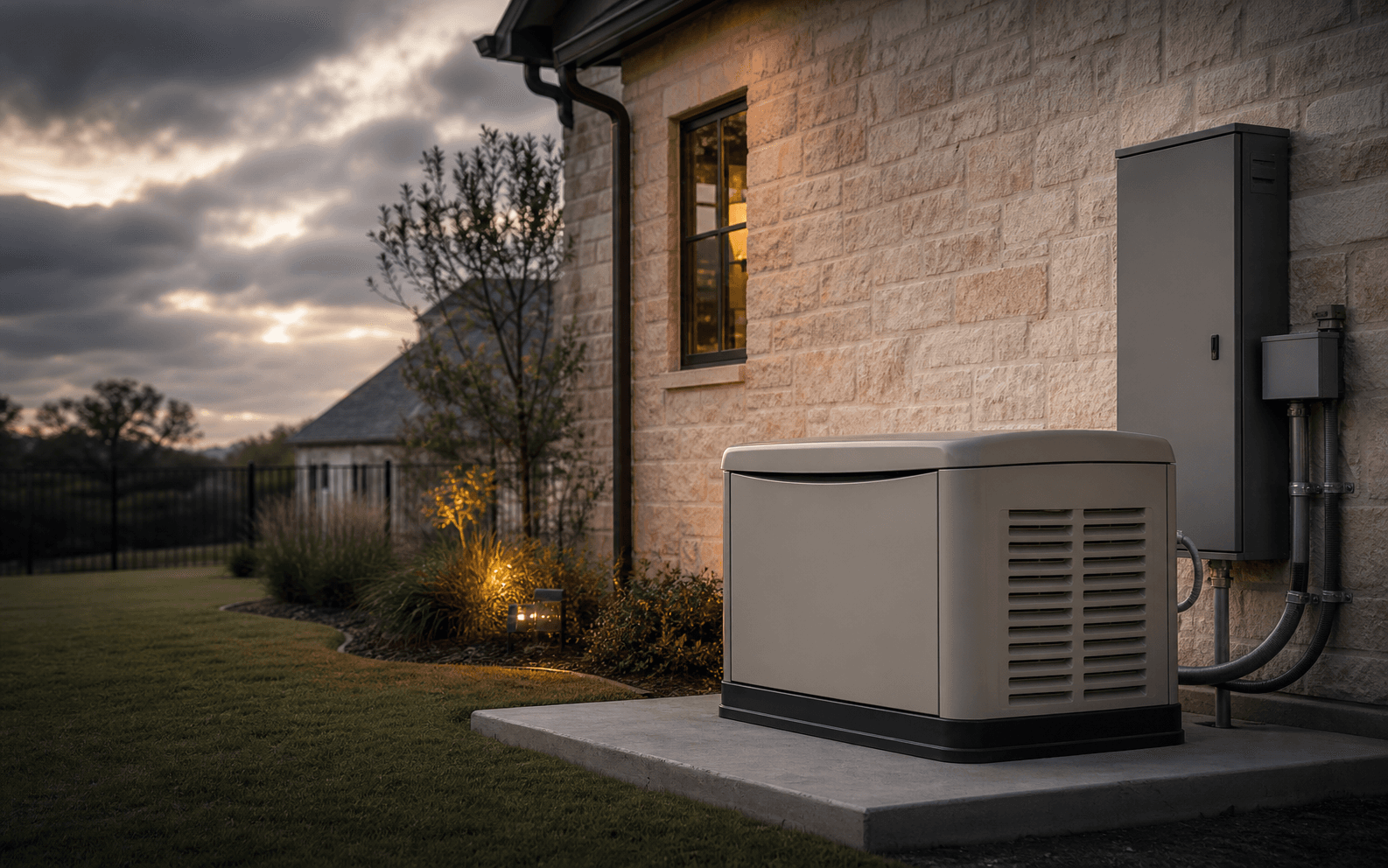
A standby system can start automatically and carry a larger planned load, but it also adds permanent equipment, fuel, placement, and maintenance decisions.
The right choice depends on what must run and how much hands-on setup you are comfortable with during an outage.
Size the essential loads before choosing equipment
List the refrigerator, lights, well or sump equipment, medical needs, internet, HVAC, and any other load that cannot wait.
Motor loads can draw far more power at startup than while running, so nameplate data and an electrical load review matter more than a round generator-size guess.
Transfer equipment is the safety line
A transfer switch or listed panel interlock keeps generator power separated from utility power.
That prevents backfeeding and gives the household a clear procedure for selecting circuits.
Extension cords through doors and improvised panel connections are not a substitute for permanent, correctly rated equipment.
Placement, fuel, permits, and the installation visit
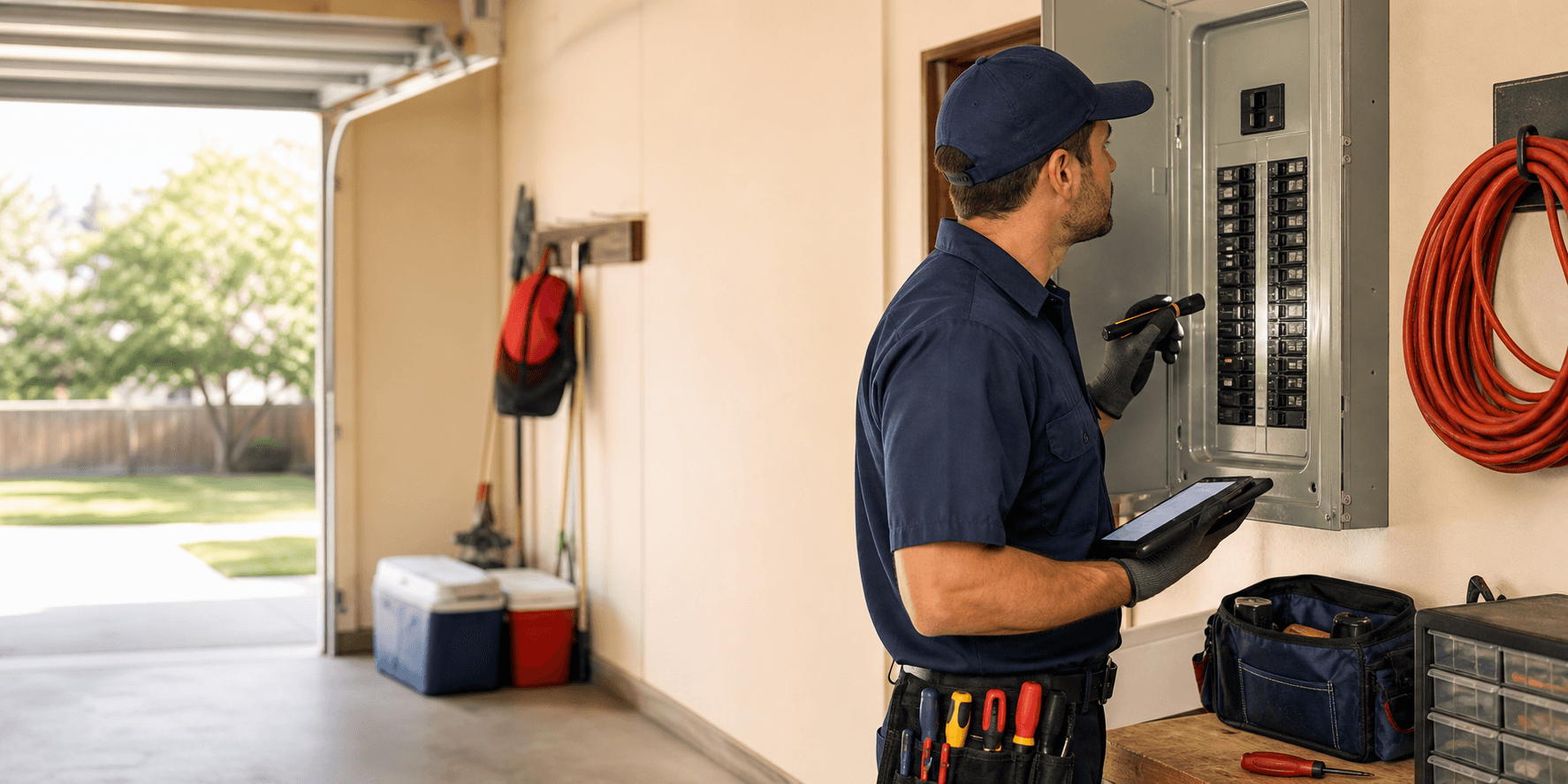
Send the Waco-area address, panel photos, generator model if already selected, fuel information, and the loads you want to carry.
We confirm conductor routing, disconnects, grounding and bonding, working clearances, and the current permit or inspection path before the installation scope is finalized.
Get a written generator installation estimate
Use the service request form below to tell us your city, the equipment you have in mind, and which loads need backup.
If you have not chosen a generator, say so—we can start with the electrical load and transfer requirements.
Estimates are free and in writing.
The final scope depends on the site review, equipment, installation route, and permit requirements; submitting a request does not reserve an installation date.
Generator Installation & Transfer Switches in Waco: planning notes
Essential circuits
Start with essential circuits. For generator installation, this establishes the baseline and keeps the scope from being built on an assumption.
Fuel supply
Record fuel supply in the most useful form — a note, photo, measurement, or model number — when it is safe to do so. It can change equipment selection, access, and labor for generator installation.
Starting and running watts
Confirm starting and running watts before materials are ordered. This is one of the details that can turn a straightforward generator installation job into a panel, feeder, or inspection question.
Transfer method
Ask how transfer method affects the written estimate. The answer should identify what is included, what still needs field verification, and who handles any coordination.
Outdoor placement
Keep outdoor placement in the final walkthrough. For Waco homeowners comparing portable backup power and whole-home standby generators, it is a practical check that the finished work matches the reason the project started.