What changes the electrical plan in Coolidge
Small-town and rural electrical systems need safe basics: grounding, panel space, and weather protection.
The three details to identify first
For Coolidge, start by identifying whether the call is mainly about ground rods, outdoor boxes, or freezer circuits.
Each points to a different set of photos, measurements, equipment information, and safety checks, so naming the real task early makes the first conversation more useful.
What to send before we visit Coolidge
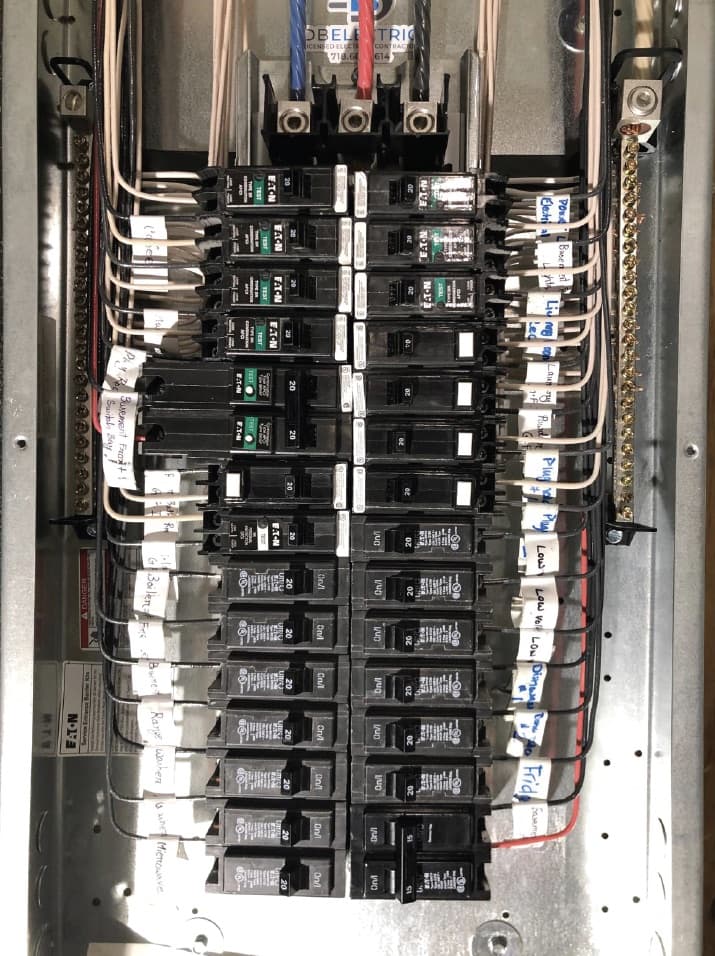
Send the exact address, a wide photo of the panel, and a safe photo of the area connected to ground rods.
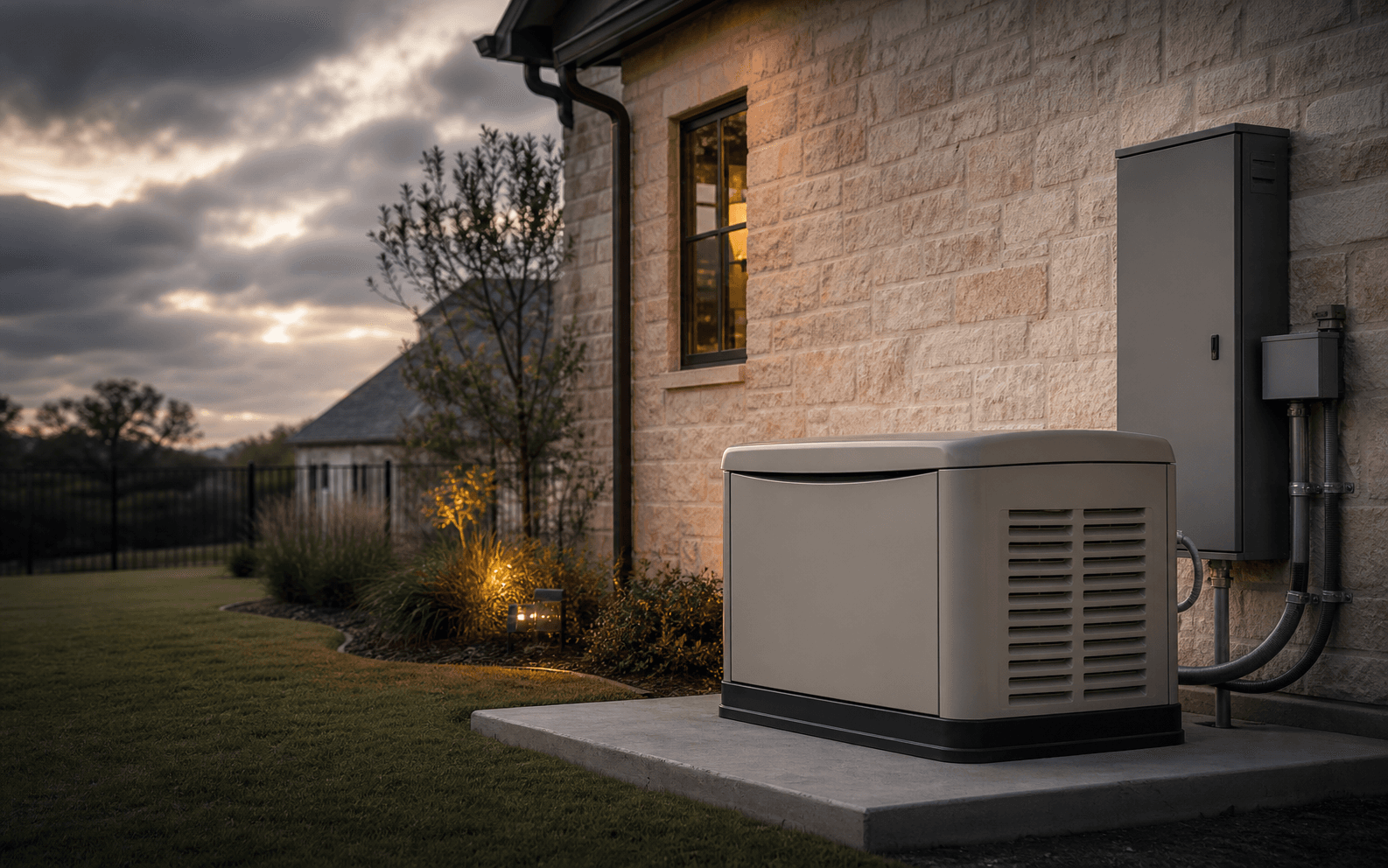
If the work involves equipment, include the nameplate for outdoor boxes.
For freezer circuits, note when the problem started and what changed.
Those details let dispatch identify urgency, travel, access, and the likely inspection path without guessing.
Planning notes for Coolidge
Ground rods
For ground rods in Coolidge, send a wide photo of the equipment and the space around it. That lets us check access, weather exposure, and whether the panel or feeder may be part of the scope before a truck is scheduled.
Outdoor boxes
With outdoor boxes, note what changed, what was running, and whether the symptom is constant or intermittent. Those details help separate a device problem from a circuit, service, or utility-side issue.
Freezer circuits
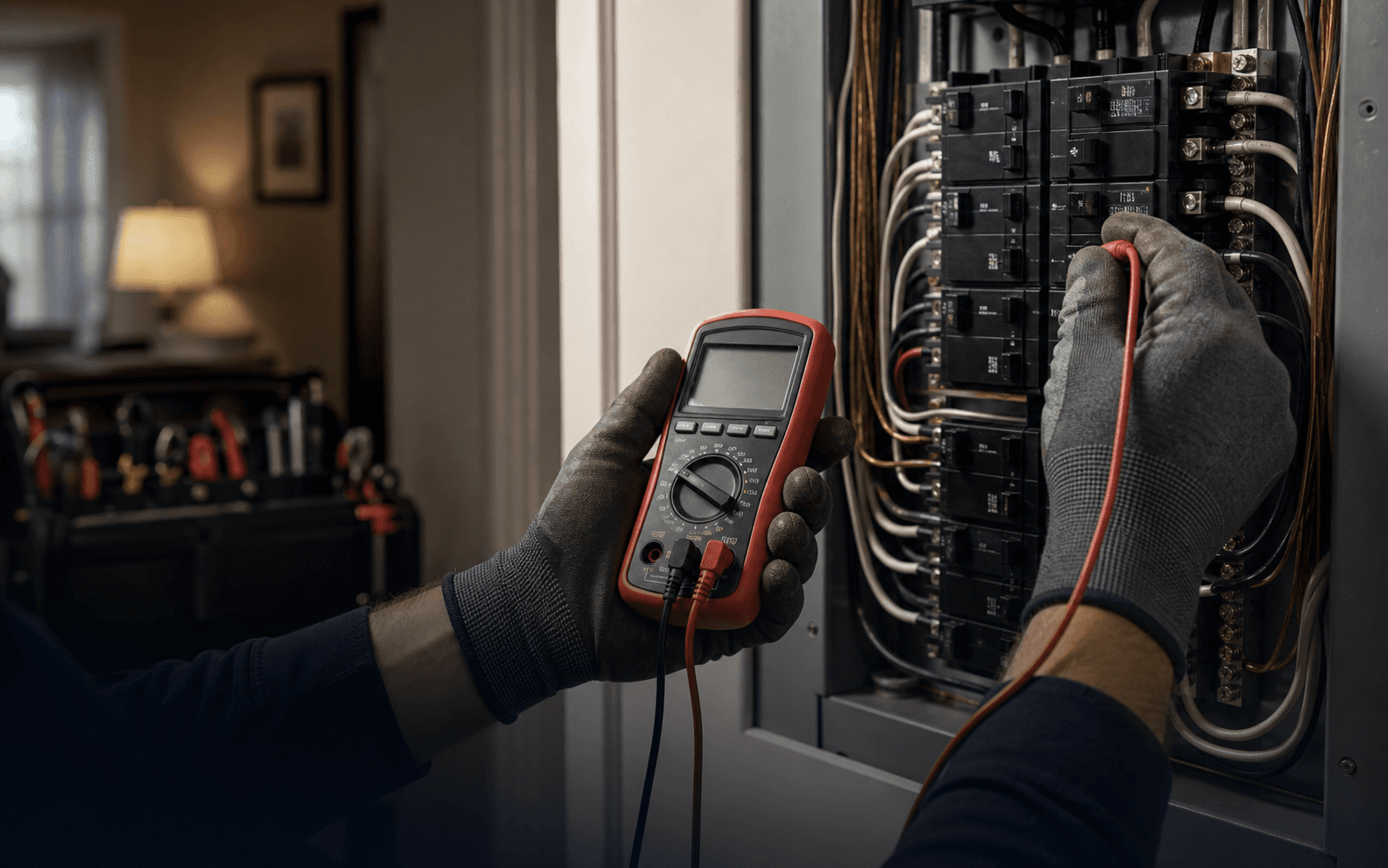
For freezer circuits, include the equipment nameplate or model number when one is available. The actual electrical rating determines conductor size, breaker requirements, disconnects, and whether existing capacity must be verified on site.