What decides the church electrical systems plan
Church buildings combine kitchens, classrooms, sound systems, stage lighting, exterior lighting, and older additions.
The useful inputs are panel directories, exit lighting, kitchen circuits, sound booth loads, exterior lighting; together they determine whether the job is a repair, an equipment installation, a new circuit, or a larger service question.
The church electrical systems mistake to avoid
Volunteer repairs should not replace licensed work on panels, permanent wiring, or life-safety systems.
For church staff, trustees, and facility volunteers, that is the detail to resolve before price, equipment, or finish choices lock the project into the wrong scope.
How to get a usable church electrical systems scope
Start with panel directories and exit lighting.
Then confirm kitchen circuits, sound booth loads, and exterior lighting.
A useful estimate should say which of those items are confirmed, which need field verification, and what the finished work will include.
Church Electrical Maintenance Guide: planning notes
Panel directories
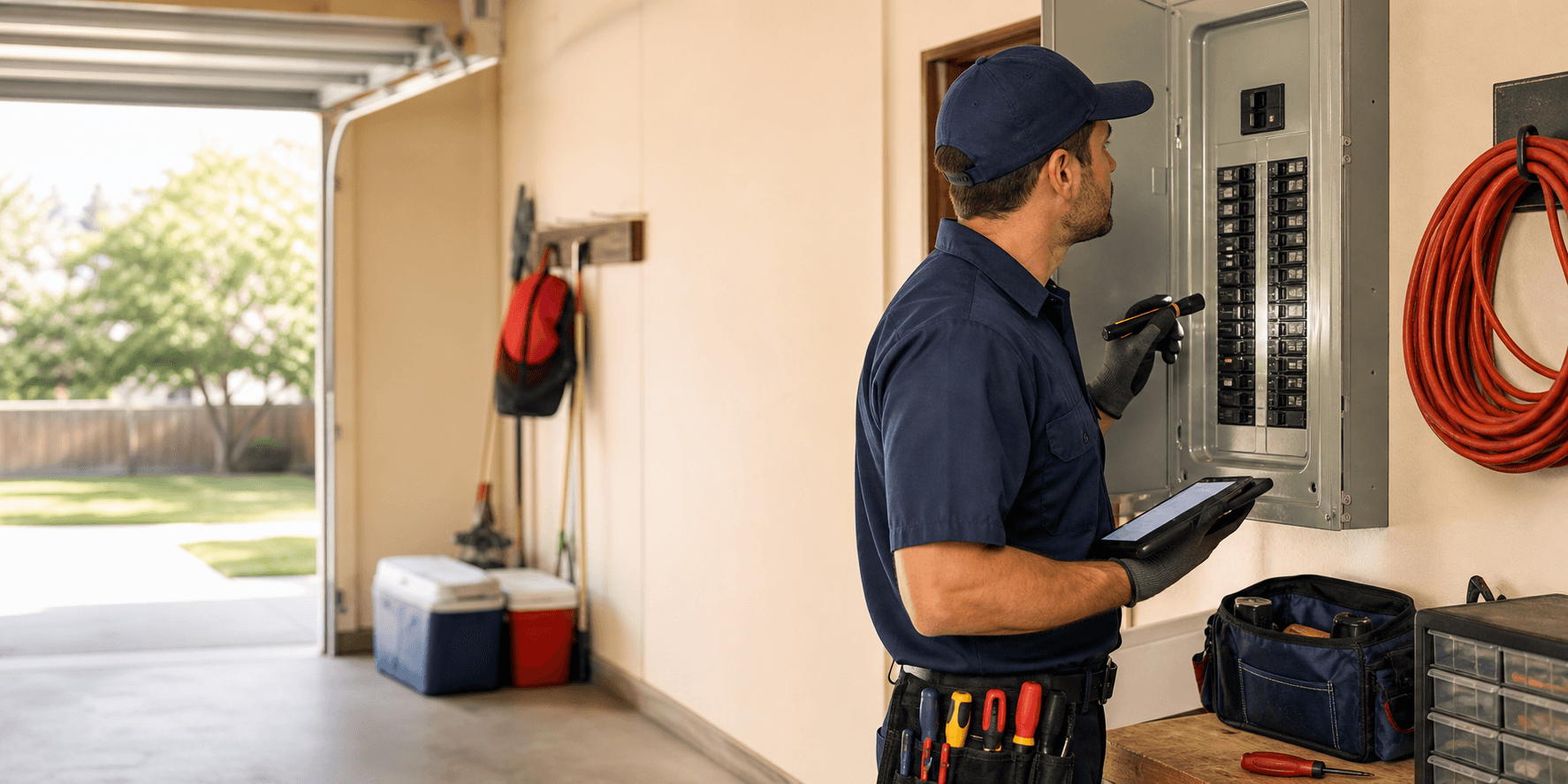
Start with panel directories. For church electrical systems, this establishes the baseline and keeps the scope from being built on an assumption.
Exit lighting
Record exit lighting in the most useful form — a note, photo, measurement, or model number — when it is safe to do so. It can change equipment selection, access, and labor for church electrical systems.
Kitchen circuits
Confirm kitchen circuits before materials are ordered. This is one of the details that can turn a straightforward church electrical systems job into a panel, feeder, or inspection question.
Sound booth loads
Ask how sound booth loads affects the written estimate. The answer should identify what is included, what still needs field verification, and who handles any coordination.
Exterior lighting
Keep exterior lighting in the final walkthrough. For church staff, trustees, and facility volunteers, it is a practical check that the finished work matches the reason the project started.